Health
 May 23, 2026
22 views
May 23, 2026
22 views
Uganda hosts regional Ebola meeting as cross-border risks rise
Admin@tdctech.com
·
EQUATOR@reporter

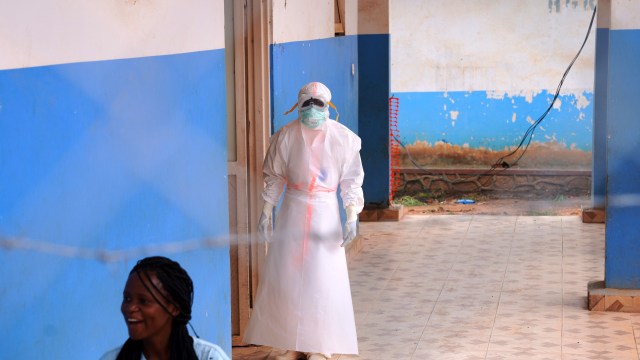
The crisis originated in the Ituri Province of the Democratic Republic of the Congo (DRC), where hundreds of suspected infections and over 130 deaths have already been recorded. The virus has since spilled over into Uganda, with confirmed cases reported in the capital city of Kampala, involving local healthcare and transport personnel.
Unlike previous epidemics driven by the Zaire strain, public health officials face a severe challenge: there are currently no approved vaccines or specific therapeutic treatments available for the Bundibugyo variant. This vulnerability is compounded by high population mobility, bustling cross-border trade, mining operations, and fragile health infrastructure along the region’s porous borders.
In response, delegates from Uganda, the DRC, and South Sudan—alongside representatives from the World Health Organization (WHO) and UNICEF—slated a unified regional response plan. The strategy prioritizes harmonizing laboratory testing, tightening cross-border surveillance, synchronizing logistics, and coordinating public health messaging to prevent panic.
The high-level meeting follows Africa CDC’s declaration of the outbreak as a Public Health Emergency of Continental Security, a designation intended to unlock international funding and fast-track technical intervention before the virus spreads further into East Africa.
Admin@tdctech.com
the Senior Administrator at Equator Voice Africa, driving the operational strategy and continental growth of the platform. Dedicated to media innovation and administrative excellence, they ensure the newsroom delivers authentic, powerful African narratives to the world.
Related Stories

Bipartisan Pair of U.S. Senators Urge State Department to Release Critical Ebola Aid for African Women and Children
Comments (0)
Be the first to comment on this story.