
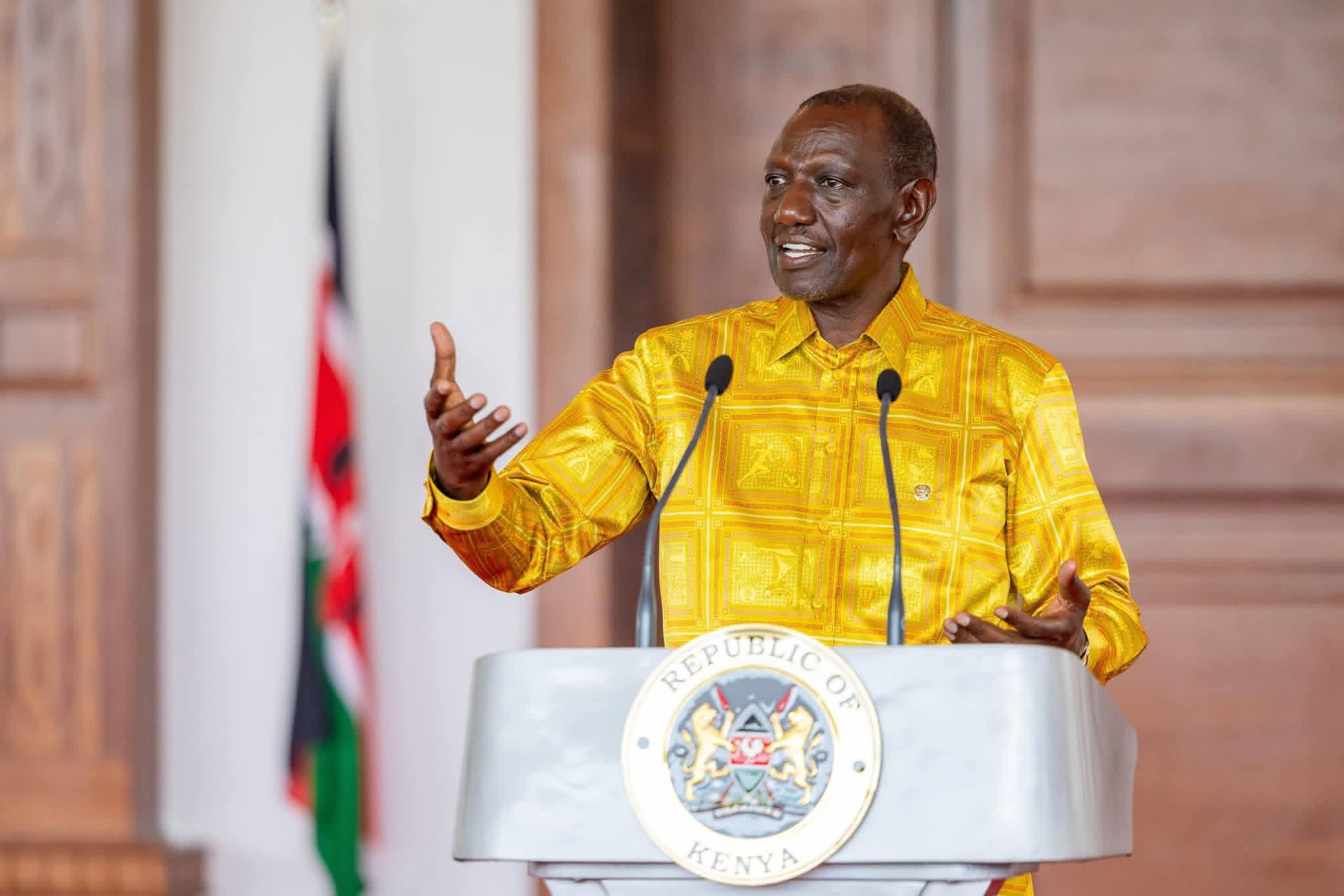
STRATEGIC SOLIDARITY: Ruto Lenient on South Africa Over Xenophobia, Weaponizes Bilateral Platform to Demand Radical AU Reforms
During Kenyan President William Ruto’s high-profile state visit to Pretoria, the complex intersection of continental integration and regional politics took center stage. Standing alongside South African President Cyril Ramaphosa at the Union Buildings, Ruto took a noticeably lenient, strategic stance regarding South Africa's recurring struggles with anti-foreigner sentiment, choosing to frame migration as a structural, pan-African challenge rather than a localized failure.
Instead of issuing public reprimands, Ruto used the diplomatic platform to renew his aggressive campaign for institutional African Union (AU) reforms, arguing that robust continental frameworks are the only sustainable antidote to the socio-economic pressures driving xenophobia.
"South Africans are not xenophobic; South Africans are Africans. We are working closely with partner states to address the underlying regional challenges that drive irregular migration trends."
— Cyril Ramaphosa, President of South Africa
? Migration Rebranded: De-escalation over Confrontation
Following a fresh spate of sporadic, anti-immigrant confrontations in South Africa that sparked intense diplomatic outrage from nations like Ghana and Nigeria, the Pretoria bilateral talks could have been highly contentious. However, Ruto deliberately aligned with Ramaphosa's narrative.
- The Shared Burden: Rather than singling out South Africa for human rights failures, Ruto treated migration as a complex continental reality driven by uneven economic development.
- Pretoria's Diplomatic Counter-Offensive: This leniency offered vital breathing room to Ramaphosa, who announced that South Africa will dispatch a team of special envoys across the continent and globally to engage partner states on regional burden-sharing and migration management.
? Institutional Overhaul: The AU Reform Agenda
Ruto’s softened tone on domestic South African affairs directly serves his broader geopolitical ambition: a complete structural overhaul of the African Union. As the AU's appointed champion for institutional reform, Ruto needs Pretoria's heavy-hitting diplomatic weight to push past bureaucratic inertia in Addis Ababa.
Ruto's proposed blueprint focuses on three aggressive pillars:
- Financial Self-Reliance: Mandating that member states fully fund the AU's operational budget to eliminate reliance on European and Western donors, thereby protecting African sovereignty.
- Consolidated Governance: Streamlining the AU Commission's portfolios down to a lean, hyper-efficient executive structure capable of intervening decisively in regional crises.
- Enforceable Free Trade: Empowering the African Continental Free Trade Area (AfCFTA) mechanisms to lower tariff barriers, enabling young Africans to access regional markets legally and safely, which directly diffuses the economic anxieties that trigger xenophobic backlogs.
? The Continental Divide: Pretoria vs. Accra
Ruto’s conciliatory approach contrasts sharply with other regional powers. The Government of Ghana recently escalated tensions by formally requesting a fiery debate on South African xenophobia at the upcoming AU Mid-Year Coordination Summit in Cairo.
South Africa’s Department of International Relations and Cooperation (DIRCO) blasted Ghana's escalation as "regrettable." South African officials argued that if the AU puts xenophobia on the agenda, Pretoria will counter by forcing a debate on the governance failures, lack of rule of law, and poor economic environments in origin countries that act as "push factors" for irregular migration.
By refusing to join the diplomatic pile-on, Ruto has positioned Kenya as a pragmatic mediator. He is leveraging economic solidarity with South Africa to build a powerful coalition capable of forcing structural unity onto an incredibly fractured continent.
For a complete breakdown of the diplomatic stakes, trade objectives, and regional dynamics of this bilateral meeting, watch this analysis of the Ruto State Visit to South Africa. This coverage features insights from international relations experts analyzing how both nations are navigating migration friction to consolidate their political and economic ties.
Comments (0)
Be the first to comment on this story.