Politics
 May 23, 2026
20 views
May 23, 2026
20 views
How Closed Primaries Are Breaking American Politics
Admin@tdctech.com
·
EQUATOR@reporter
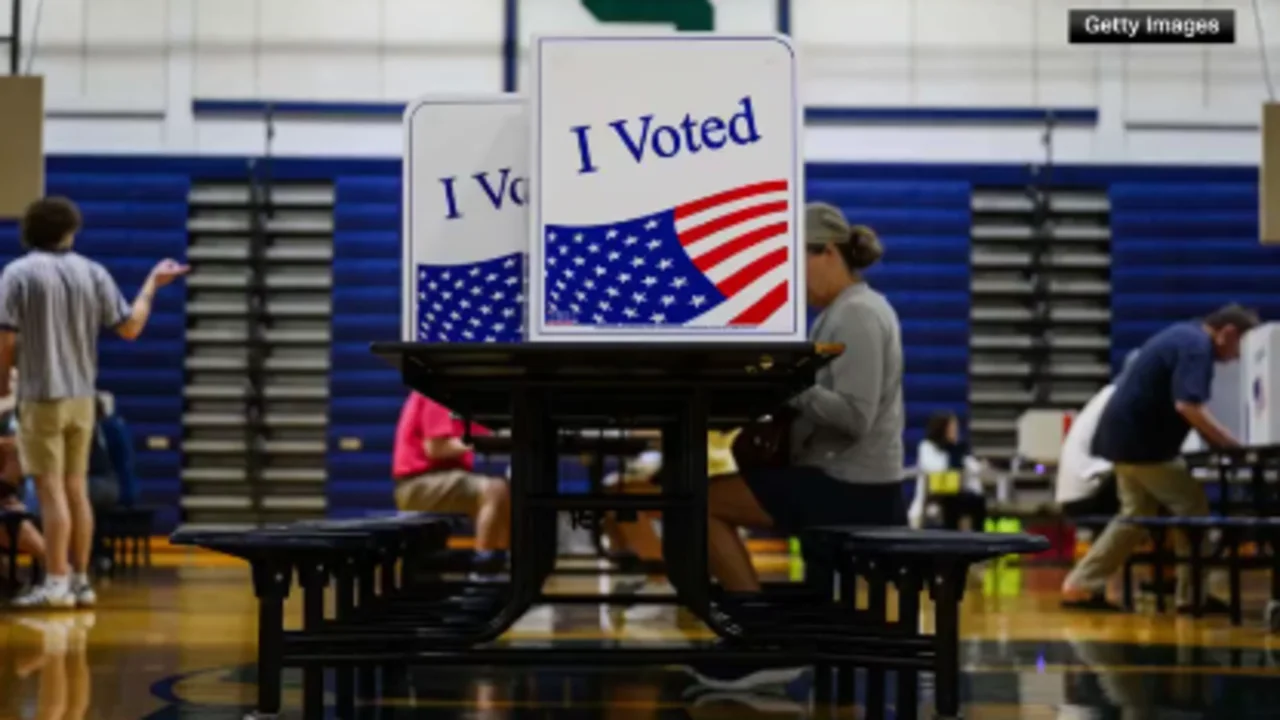
WASHINGTON — A growing chorus of political analysts and voters are pointing to a structural flaw at the very beginning of the election cycle as the root cause of American political polarization: the closed primary. According to a recent CNN analysis, the system designed to select party nominees is fundamentally breaking the legislative process in the United States.
At the heart of the issue is voter exclusion. In states with closed primaries, only voters registered with a major political party can cast a ballot. This locks out millions of independent and unaffiliated voters—the fastest-growing segment of the American electorate. Because primary turnout is notoriously low, candidates are chosen not by the general public, but by a tiny, highly motivated sliver of the population. These voters tend to occupy the furthest ideological edges of both the right and the left.
This dynamic creates a dangerous survival strategy for lawmakers. To win reelection, politicians must appeal to these partisan fringes rather than the moderate majority. Compromise, once seen as a hallmark of governing, is now viewed as political suicide. Lawmakers who cross the aisle to pass bipartisan legislation face an immediate threat of being "primaryed"—challenged and replaced by a more radical member of their own party.
As the 2026 midterms intensify, the real-world consequences of this system are clearer than ever. While general elections are meant to give every citizen a voice, closed primaries ensure that the political center is hollowed out long before the final ballots are even cast, leaving a broad majority of Americans feeling entirely unrepresented.
Admin@tdctech.com
the Senior Administrator at Equator Voice Africa, driving the operational strategy and continental growth of the platform. Dedicated to media innovation and administrative excellence, they ensure the newsroom delivers authentic, powerful African narratives to the world.
Related Stories
Behind Putin’s Regional Tour: Rhetoric, Resolve, and the Kremlin’s Public Relations Push
Comments (0)
Be the first to comment on this story.