
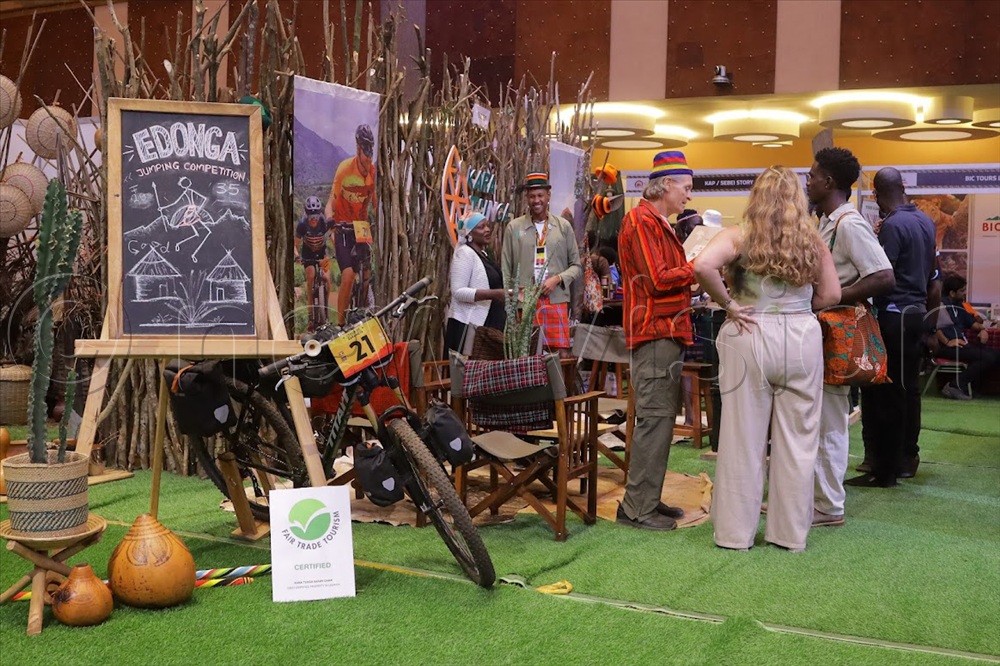
Uganda’s tourism marketing strategy is undergoing a radical transformation, moving away from traditional publicity stunts and shifting toward a high-stakes model of “economic diplomacy.” At the heart of this new direction is a clear directive to the country’s foreign missions: look beyond ceremonial duties and actively market Uganda as a premier global destination for trade, investment, and travel. The strategic pivot took center stage during the Pearl of Africa Tourism Expo (POATE), hosted at the ultra-modern Speke Resort Convention Centre in Munyonyo. The event served as a major convergence point for international buyers, regional operators, and high-ranking diplomats mapping out the sector's recovery and expansion.
Speaking on the changing roles of foreign embassies, Nusura Tiperu, Uganda’s Ambassador to Turkey, made it clear that the era of passive representation is over, stating, “We have ceased being mere cocktail guests clinking wine glasses. Today's diplomacy is entirely about marketing Uganda's tourism attractions, establishing trade ties, and bringing investment home.” Foreign missions are now executing aggressive outreach strategies, including curated familiarization trips that bring foreign tour operators, travel writers, and key investors directly to Uganda. These efforts are heavily targeting high-growth landscapes across Europe, Asia, Turkey, and emerging markets within the African continent.
International buyers at the expo highlighted a massive, structural shift in what global travelers are looking for. The demand for rigid, generic holiday packages has plummeted, replaced by a surge in demand for deeply personalized, culturally immersive experiences. To capture this market, industry stakeholders are diversifying Uganda's offerings beyond traditional savanna safaris into cultural and community integration, specialized agro-tourism like coffee tours, and targeted marketing adapted for Chinese travelers by Consul General Judyth Nsababera in Guangzhou.
Uganda is also positioning itself to dominate regional business travel via the MICE sector—Meetings, Incentives, Conferences, and Exhibitions. Jean Byamukama, CEO of the Uganda Hotel Owners Association (UHOA), revealed that the country's hospitality sector has rapidly matured to boast over 6,000 rooms capable of accommodating top-tier international events. With venues like the Munyonyo Convention Centre fully operational, Kampala is actively competing against regional hubs to host large-scale global summits and corporate conferences.
Despite the immense optimism at POATE, industry experts recognize that several bottleneck issues must be cleared to fully unlock the country's potential, including high air travel costs, a lack of direct long-haul flights, and the need for unified digital marketing. However, as this united front of diplomatic marketing, infrastructural growth, and community-centered tourism continues to gain momentum, the economic ripple effects promise to benefit everyone from tour guides and hospitality workers to local artisans and transportation operators across Uganda.
Comments (0)
Be the first to comment on this story.