
African Unity: The Contributions of Retired and Active Diplomats
The dream of African unity—rooted in the Pan-African movements of the 20th century—has evolved from a purely political ambition into a complex framework of modern governance, regional integration, and conflict resolution.
Achieving this unity depends heavily on a delicate balance between two powerful forces: active diplomats, who navigate current state bureaucracies and policy frameworks, and retired diplomats (or elder statesmen), who leverage personal prestige, deep institutional memory, and freedom from active political constraints to mediate crises.
1. The Power of "Elder Statesmen": Retired Diplomats as High-Level Mediators
In African diplomacy, retirement rarely means withdrawal from public life. Former heads of state and senior ambassadors frequently transition into highly active, non-partisan mediators under the banners of the African Union (AU) or regional economic communities like ECOWAS, EAC, and SADC.
Because they are no longer bound by the day-to-day political vulnerabilities or national interests of an active term in office, they carry a unique moral authority.
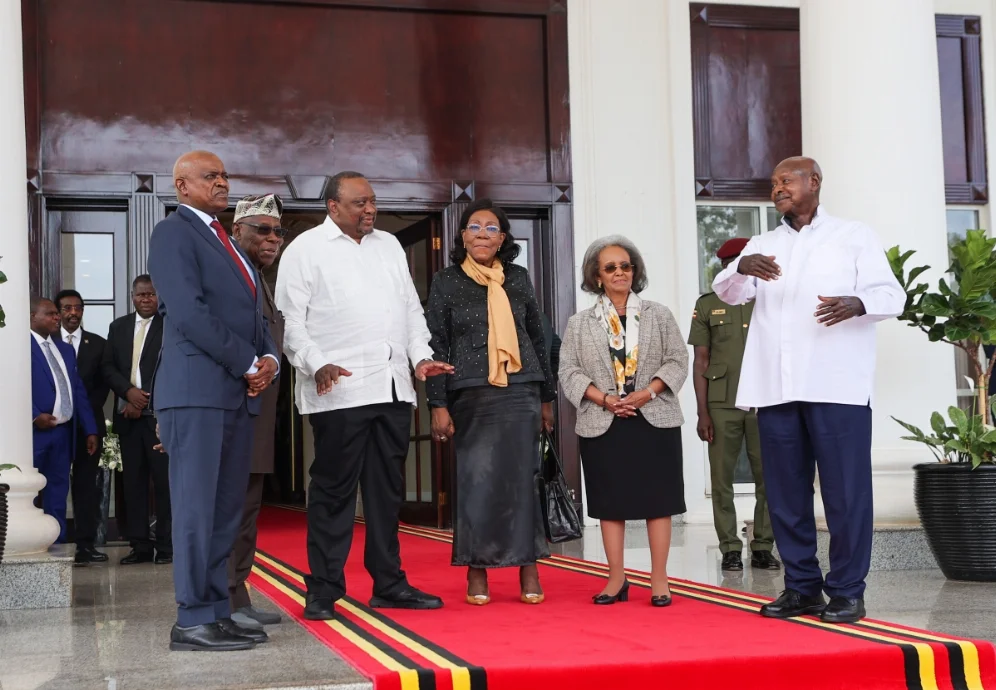
- Crisis Resolution & Mediation: Former leaders are frequently deployed to resolve the continent's most entrenched conflicts. High-profile peace initiatives depend heavily on co-facilitators like former Nigerian President Olusegun Obasanjo, former Kenyan President Uhuru Kenyatta, former Botswana President Mokgweetsi Masisi, and former Ethiopian President Sahle-Work Zewde. Their interventions provide a neutral bridge in volatile regions.
- Institutional Memory and Mentorship: Bodies like the League of African Ambassadors (LAA) utilize retired diplomats to mentor younger envoys, capturing decades of negotiation strategies. This prevents the loss of institutional knowledge and builds a cohesive, Afro-centric diplomatic voice on global stages.
- The Legacy of Pan-African Platforms: Foundations established by retired giants—such as the legacy of the late Kofi Annan or the global advocacy of Dr. Arikana Chihombori-Quao—continue to challenge historical colonial structures, advocating for absolute economic sovereignty and unified African representation on the UN Security Council.
2. Active Diplomats: Driving Policy, Trade, and Sovereignty
While retired diplomats excel at stepping into fires, active diplomats are the architects building the everyday infrastructure of continental unity. Operating within embassies, ministries of foreign affairs, and international bodies, they manage the practical, legal, and economic ties between nations.
Retired Diplomats
- High-Level Crisis Mediation
- Moral & Non-Partisan Weight
- Institutional Memory Preservation
Active Diplomats
- Operationalizing the AfCFTA
- Cross-Border Interoperability
- Standardizing International Policy
- Operationalizing the AfCFTA: The biggest modern push for unity is economic. Active diplomats are tasked with the heavy logistical lifting of the African Continental Free Trade Area (AfCFTA). This involves negotiating tariff rollbacks, unifying customs procedures, and dismantling the regulatory walls that have traditionally made intra-African trade more expensive than trading outside the continent.
- Defense and Security Interoperability: Active diplomats and military envoys working within missions like the African Union Transition Mission in Somalia (ATMIS) work to build interoperability among diverse troop-contributing nations. Navigating differences in language, doctrine, and strategic national interests requires intense daily diplomatic coordination to ensure regional stability.
- A Unified Global Voice: Active ambassadors increasingly employ "bloc diplomacy" to protect continental interests. By voting cohesively at the United Nations or during climate negotiations, active diplomats ensure that Africa is treated as an equal, strategic global partner rather than a fragmented collection of small markets.
The Symbiotic Relationship
Ultimately, African unity cannot be achieved by either group in isolation. Active diplomats require the intervention of retired statesmen when political negotiations hit a dead end or when a crisis threatens to split regional blocs. Conversely, the breakthroughs achieved by retired mediators can only be sustained if active diplomats build the legal frameworks, treaties, and daily policies to back them up. Together, they form the past, present, and future of Pan-African diplomacy.
Comments (0)
Be the first to comment on this story.